Mitochondria are structures inside most human cells that produce much of the ATP used to power cellular processes. ATP, short for adenosine triphosphate, helps supply energy for activities such as muscle contraction. Mitochondria also contain their own DNA.
This article explains what mitochondria are, how they contribute to cellular energy production, and why different cells have different energy needs.
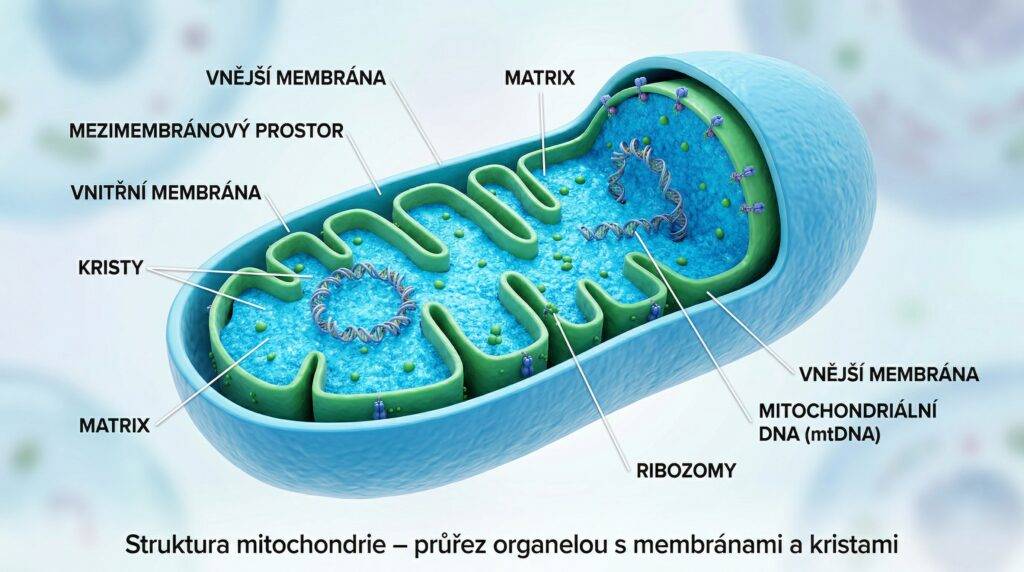
Mitochondria are organelles: specialised structures with particular jobs inside cells. They have an outer membrane and an inner membrane. The inner membrane folds into structures called cristae, while the space enclosed by it is called the matrix.
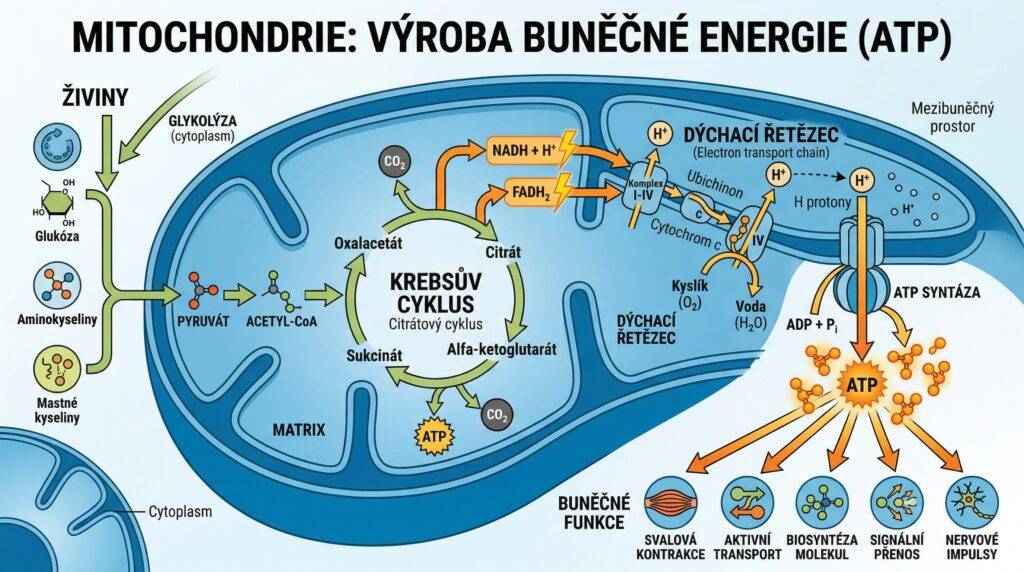
They are often called “cellular powerhouses” because they produce most of the ATP that many cells need. ATP transfers chemical energy to processes that allow cells to function.
Cellular respiration makes energy from nutrients available in ATP. Different stages occur in different parts of the cell:
Fatty acids can also provide fuel: beta-oxidation in the mitochondrial matrix supplies acetyl-CoA and electron carriers. Not all energy production therefore takes place on the inner membrane.
Most human cells contain mitochondria, but their number varies with the type of cell and its energy requirements. Muscle cells, including heart muscle cells, need substantial energy. The brain, liver and kidneys also depend on mitochondrial energy production.
Mature human red blood cells are an important exception: they lack mitochondria and obtain ATP through glycolysis. There is no single mitochondrial count that applies to every cell in an organ.
Most human DNA is found in the cell nucleus. Mitochondria contain a separate, small circular chromosome called mitochondrial DNA, or mtDNA. It is generally inherited from the mother.
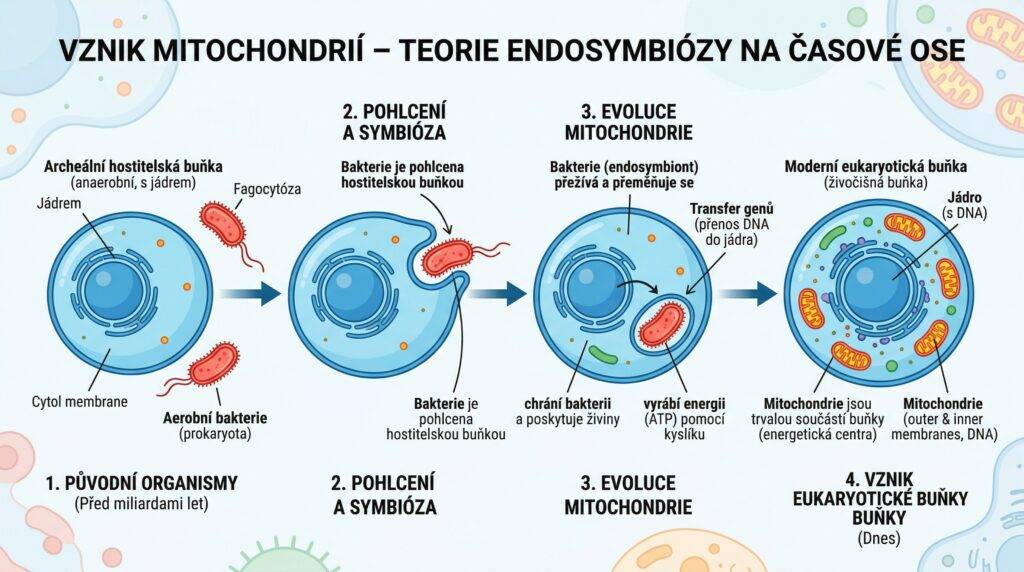
Mitochondria are understood to have evolved from bacteria that established a lasting relationship within an ancestral cell. Their separate DNA is one part of the evidence behind this evolutionary explanation.
Mitochondria are dynamic structures. Exercise training can increase mitochondrial capacity in muscle cells as they adapt to greater energy demands. This does not mean that tiredness alone proves a mitochondrial problem, or that a supplement has been shown to repair mitochondria.
The TREE OF LIFE range contains six food supplements. Their product pages provide ingredients and guidance on use. Research on an individual ingredient does not by itself establish the same effect for a finished product.
Mitochondria help make energy from nutrients available to cells through ATP. Understanding their structure, location and DNA provides a foundation for understanding cellular energy.
