Microplastics are plastic particles smaller than five millimetres - tiny but ubiquitous. They can be divided into primary plastics, which are those that are formed in a targeted way (for example, microparticles in cosmetics or industrial granules), and secondary plastics, which are formed by the breakdown of larger plastics - packaging, textiles or tyres.
Today, scientists are finding microplastics literally everywhere: on top of the Himalayas, in Arctic ice and in the depths of the oceans. Even in rainwater. Because plastic never breaks down completely - it just crumbles into smaller and smaller pieces that find their way back to us.

When British inventor Alexander Parkes introduced the first plastic, Parkesin, at the London Exhibition in 1856 , he considered it an ingenious replacement for ivory. A few decades later, Bakelite, the first fully synthetic plastic, was created and the world changed. After World War II came the plastic boom - polyethylene, PVC, nylon, PET.

Plastics became a symbol of progress - light, cheap, versatile. No one knew then that their advantage would also become a curse. A material created in a moment will last for hundreds of years. And so a once miraculous invention became a silent problem that today affects the oceans, the land, the air - and us.
According to the World Wildlife Fund (WWF), humans ingest or inhale about 5 grams of plastic every week - the equivalent of one credit card. That's about 250 grams a year, and perhaps more than 20 kilograms in a lifetime .
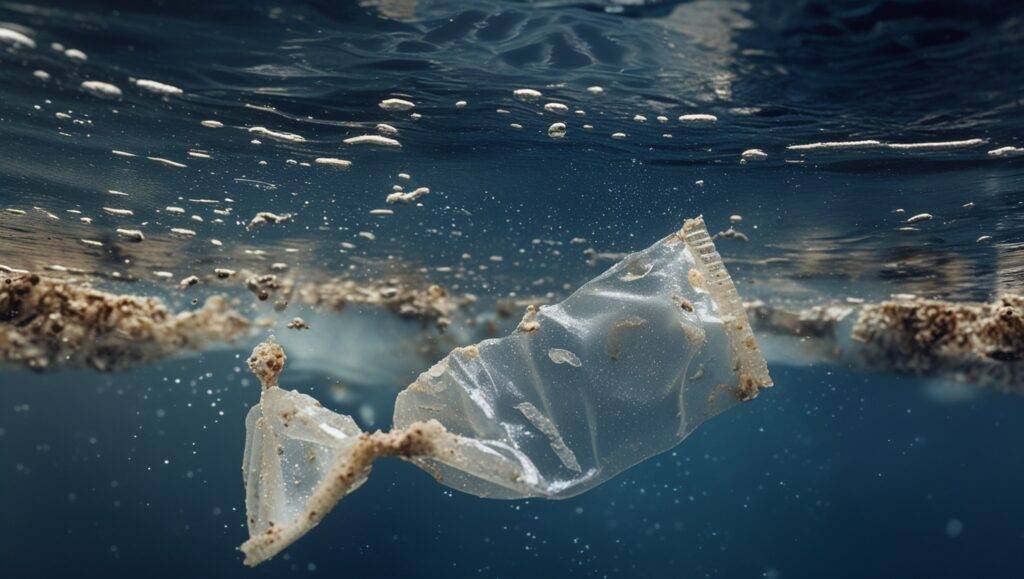
In addition, over 400 million tonnes of plasticare produced each year , of which about 11 million tonnes end up in the oceans. Microplastics have been found in 90% of drinking water and almost all seawater samples. Fish, crustaceans and birds consume them - and so do we.
Disturbing findings by scientists show that microplastics are no longer just a problem for nature, but for humans too. A 2022 study confirmed their presence in the blood of 75% of people tested. Other studies have found microplastics in the lungs, placenta and heart.
The latest findings (New England Journal of Medicine, 2024) warn that higher levels of plastic particles in blood vessels may increase the risk of cardiovascular disease by up to 40%. Microplastics promote inflammation, damage cells and affect hormonal balance - through exposure to substances such as phthalates and bisphenols.
Microplastics are not only a threat to our health. In the oceans, they disrupt the photosynthesis of plankton - an essential link in the food chain. Every year, more than 100,000 marine animals die after ingestingthem .
On land, plastic particles reduce soil fertility and affect micro-organisms. There are even theories that microplastics can affect cloud formation and therefore the climate. Thus, plastic leaves a trace not only in our bodies, but also in the planet's cycle itself.
Each of us can contribute. Let's avoid plastic packaging in favour of glass, metal or paper. Use microfibre catcherswhen washing synthetic clothes , and choose cosmetics without microbeads.
Do not heat food in plastic containers - the heat releases chemicals into the food. And above all, let's encourage recycling and research into alternative materials.
Every step counts. Even a small change in habits can mean less stress on the planet - and on our bodies.
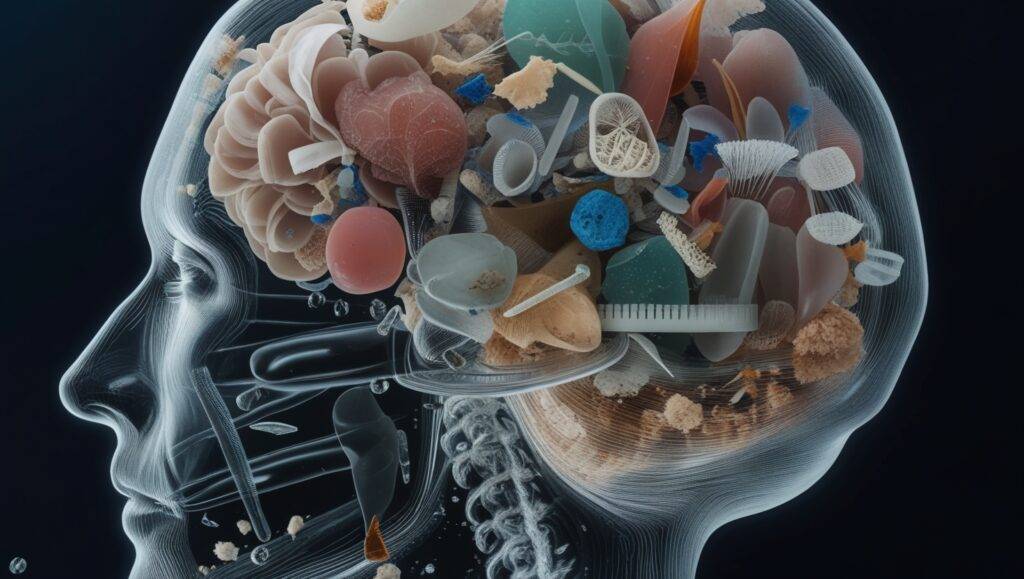
What began as a triumph of human ingenuity has turned into a civilizational challenge. Microplastics are a symbol of a time when we have lost the balance between convenience and nature. But we can find the balance again - not only around us, but also within.
The winter months are ideal for regenerating and cleansing the body. Detoxing does not mean starving, but supporting the natural mechanisms the body uses to eliminate harmful substances. This is where natural dietary supplements can be our allies.
The combination of INETHAN + EQINIL helps the body to get rid of toxins and microplastics.
INETHAN supports the liver, pancreas and gallbladder, organs that act as a key detoxification centre.
EQINIL assists the lymphatic system to more efficiently remove harmful substances from the body's fluid to the organs that then excrete them out of the body - through urine, stool and skin.
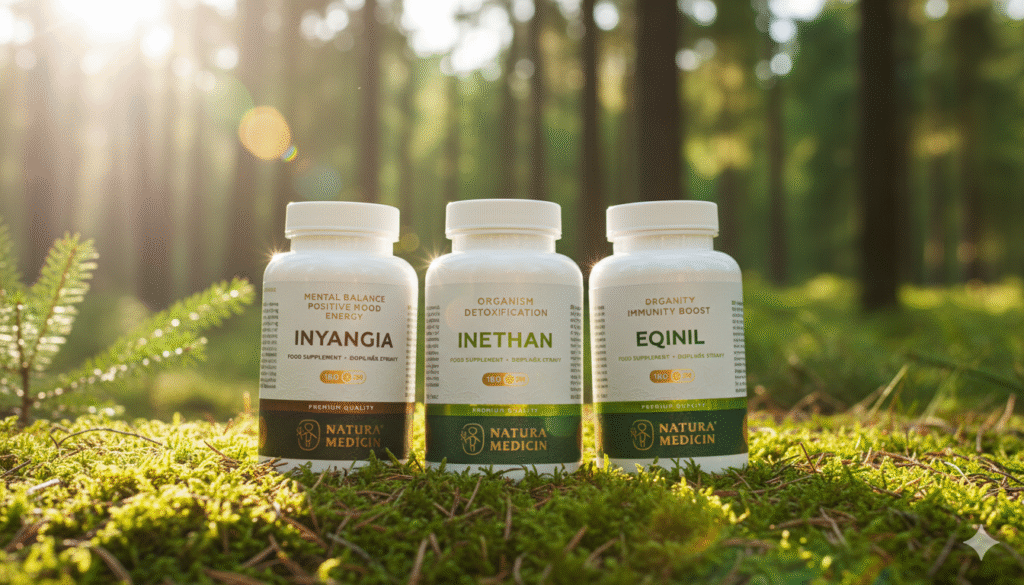
The combination of INYANGA + EQINILmay be beneficial for the protection of the nervous system .
INYANGA is a supplement designed to regenerate the brain and spinal cord - the organs that are most stressed by microplastics according to the latest research. In conjunction with EQINIL, it brings natural support to the body and mind, and helps to improve resistance to everyday stresses.
Microplastics have become a symbol of the times - invisible but present everywhere. Yet we are not powerless. We can make better choices, breathe more consciously, and care not only for nature but for our own bodies.
Every step towards a cleaner body is a step towards a cleaner planet. And real change, it seems, doesn't start in laboratories or in the oceans - but in ourselves.
Consultation and individual recommendations
Every person is different and may respond differently to detoxification depending on age, lifestyle and current health status. If you would like individual advice on the right combination of dietary supplements for natural support of the body, you can arrange an individual consultationwith us - natural medicine consultant and phytotherapist / Bohuslav Větrovský.
👉 Take a look at the range of products from the TREE OF LIFEline
👉Contact us for an individual consultation with Bohuslav Vetrovsky / www.lecitel.com - He will be happy to advise you, not only on product selection and dosage
👉 Consult our NATURAMEDICIN Guide, if you do not find satisfactory answers, email [email protected]